
Refrigeration
Walk-ins and display units running all night. A failing door seal or a dirty condenser shows up in the draw long before it shows up in the temperature.

Refrigeration and the cooking line dominate a restaurant's bill, and both fail slowly enough that nobody notices until the food does.
Walk-ins and display units running all night. A failing door seal or a dirty condenser shows up in the draw long before it shows up in the temperature.
Equipment brought up to heat hours before the first cover and left there.
Canopy fans at full speed through prep and clean-down.
Simple, schedulable, and usually the first thing a site can fix itself.
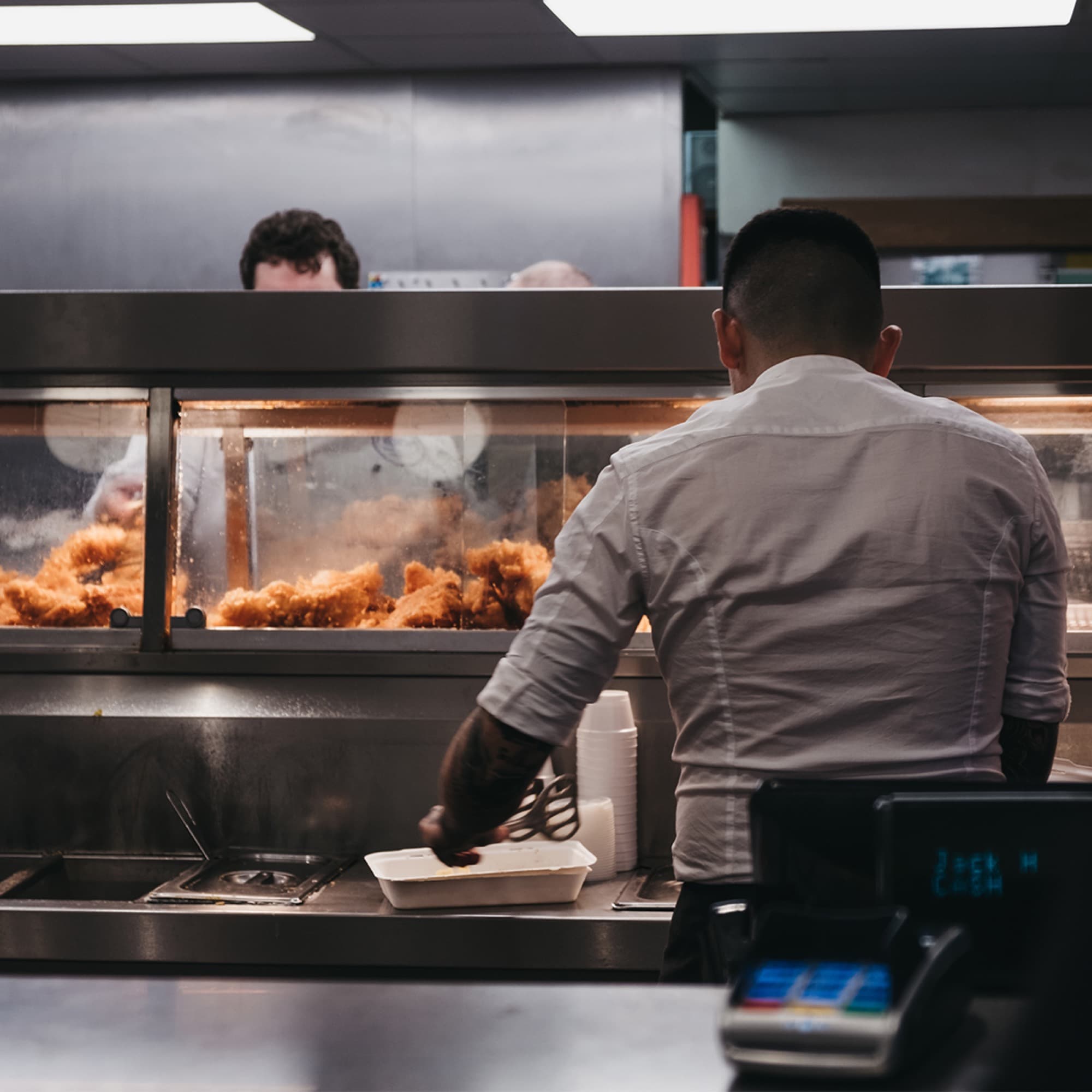
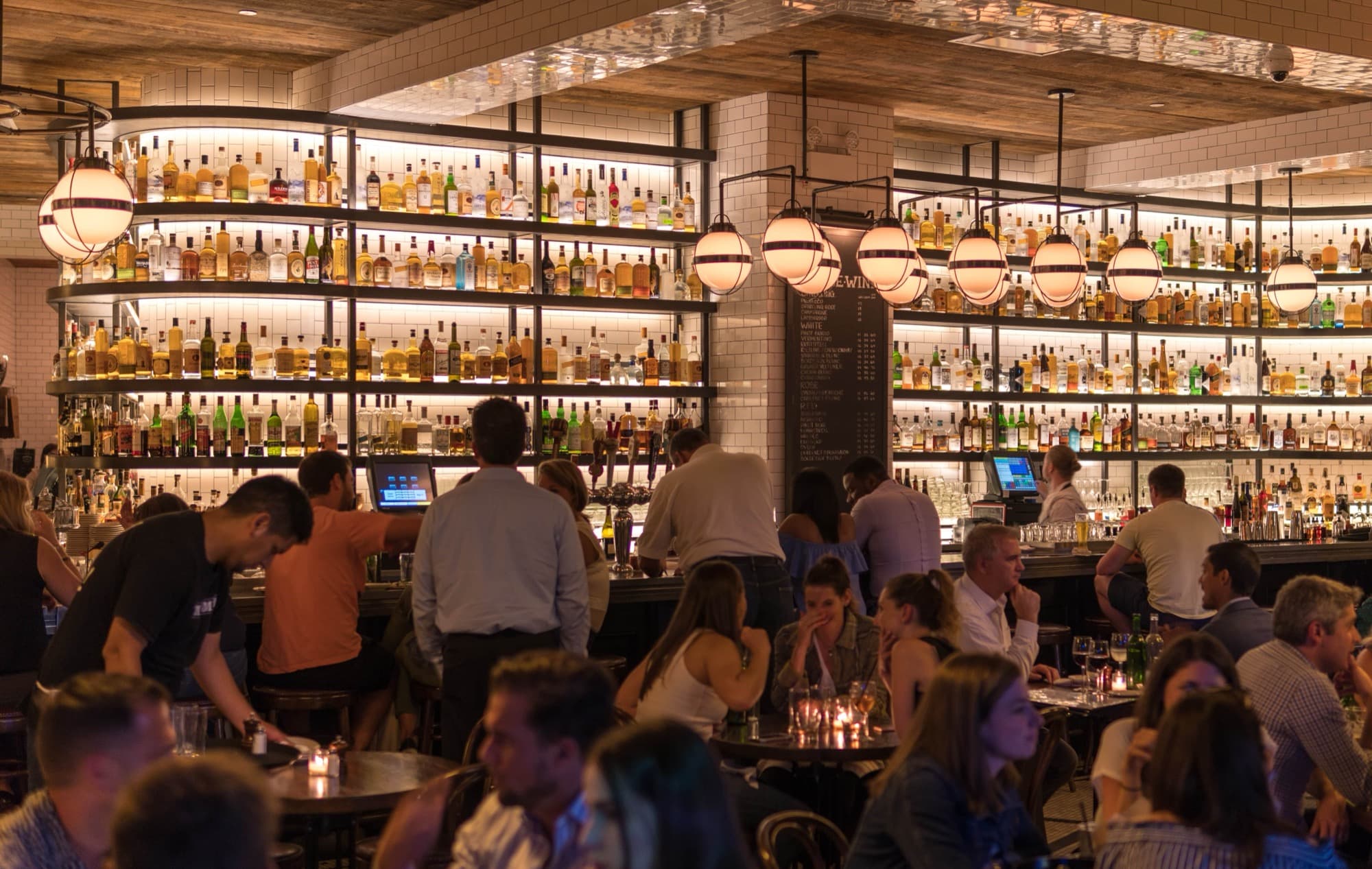
For a group, the value is comparison. Once every site is measured the same way, the outliers name themselves.
A bar and restaurant runs cellar cooling, glass washers, a full cooking line, refrigeration and extraction, often for fourteen hours a day, seven days a week. Energy is one of the largest costs after staff and stock, and most of it is invisible on a monthly bill.
The pattern we see most is equipment switched on at opening and left on until close, whether the kitchen is busy or not, and refrigeration working harder each month as seals wear and condensers clog.
The work follows the same path for a single restaurant or a group.
Monitoring hardware can be bought outright or leased, and grant support is available for the hardware. Typical payback on a monitoring installation is 1 to 3 years, and a savings guarantee can be agreed per client.
The same three parts, whatever the building.
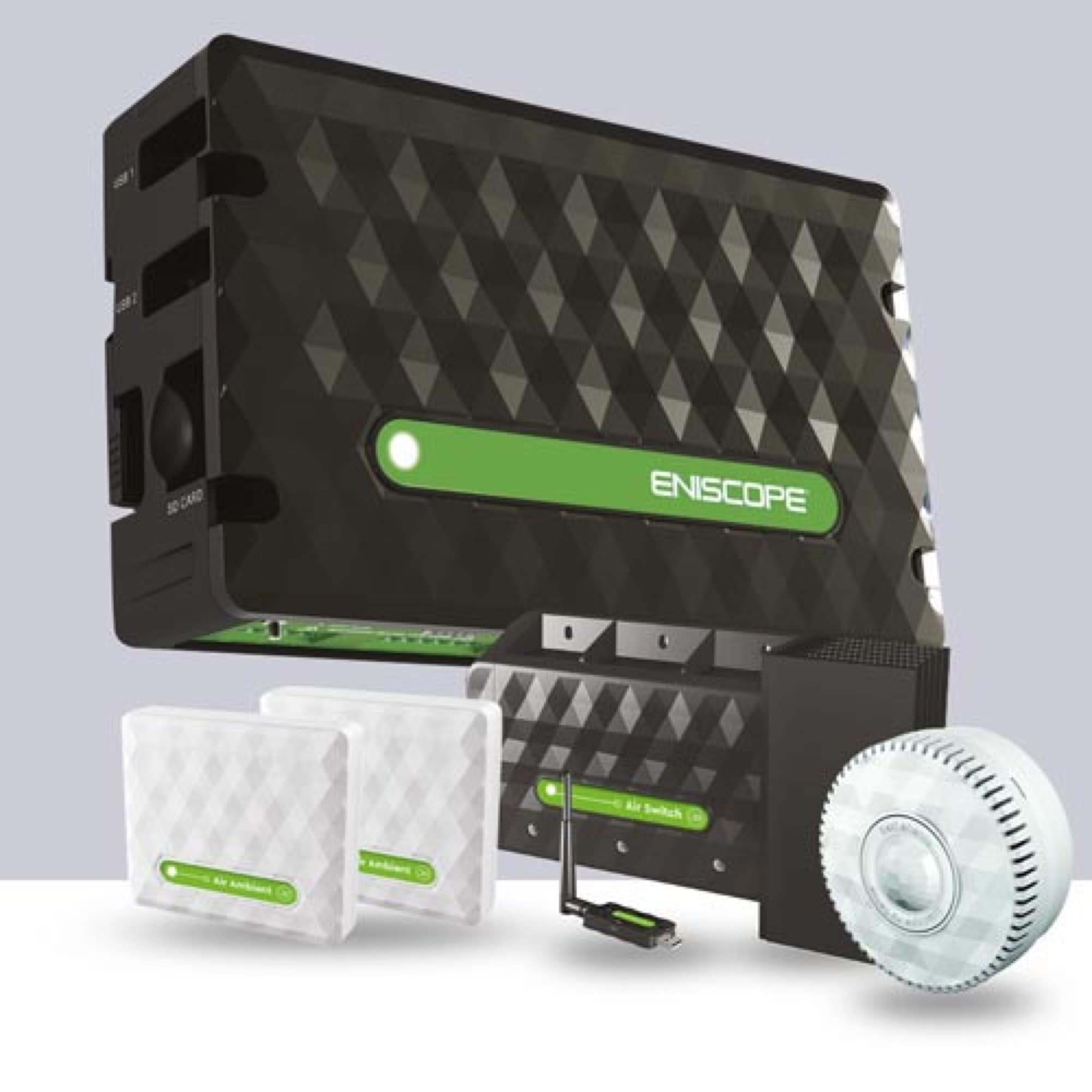 HardwareEniscope meters on the circuits that matter, reading every few seconds. Installed in a few hours, no shutdown.
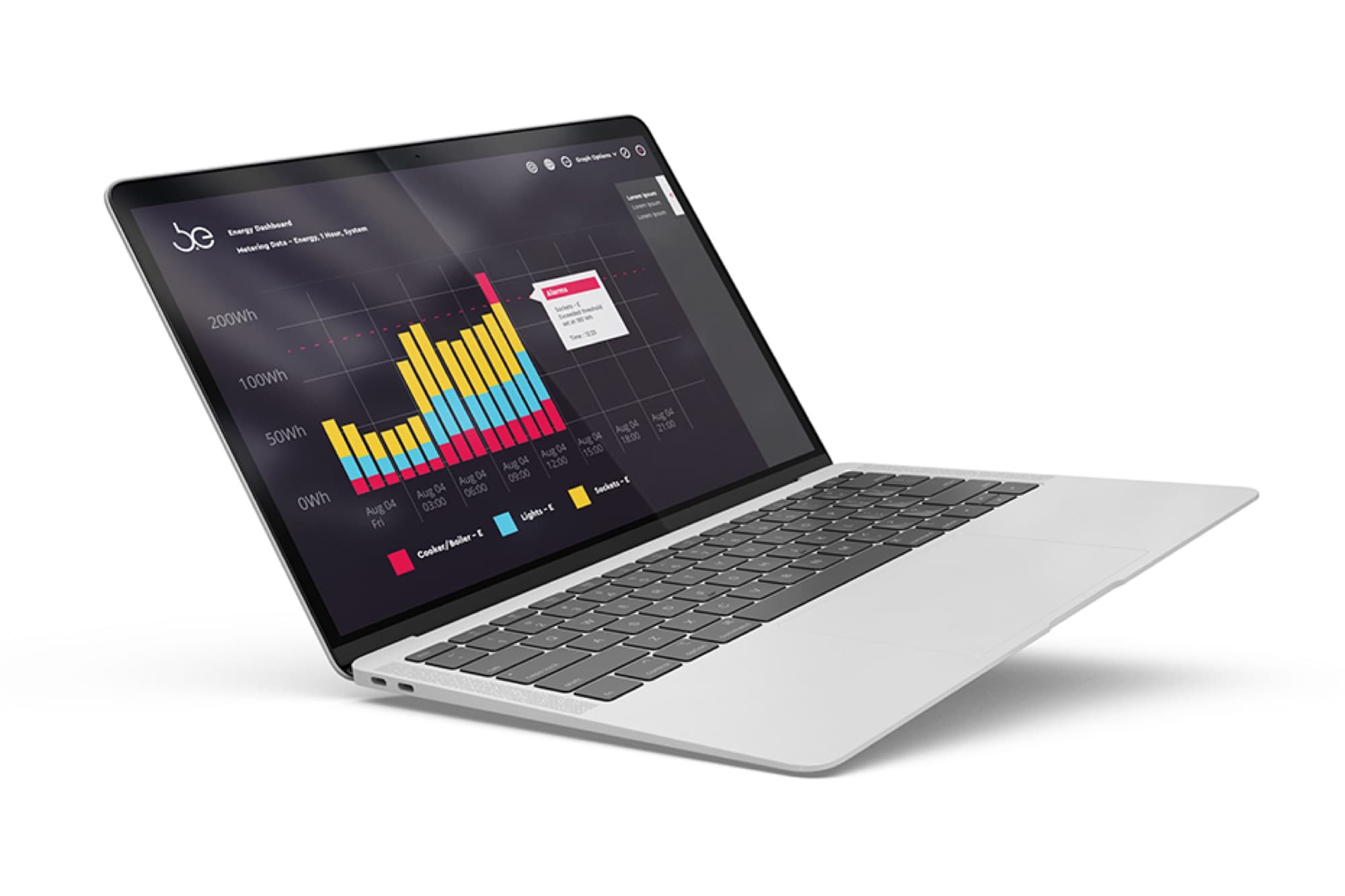 SoftwareA cloud dashboard showing use by asset, site and hour, with alerts when something changes.
 Our teamEnergy management from people who read the data every month and tell you what to do about it.
Measure the big loads separately: refrigeration, the cooking line, extraction and lighting. Most restaurants find equipment brought up to heat hours before it is needed, extraction running through prep and clean-down, and fridges drawing more each week as door seals fail. Fixing schedules and catching failing equipment early costs little and saves on both energy and stock.
Refrigeration and the cooking line usually dominate, followed by extraction, dishwashing and hot water, and lighting. In a bar and restaurant, cellar cooling and glass washers add a large continuous load.
It can give early warning. A fridge or freezer that is starting to fail usually draws more power days or weeks before the temperature rises. An alert on that circuit lets the site call an engineer before the stock is lost.
Yes, if it is an SME spending over €10,000 a year on energy. The SEAI Support Scheme for Energy Audits provides a €2,000 voucher towards the audit.
If you spend over €10,000 a year on energy, the Support Scheme for Energy Audits covers most of the cost. An engineer walks the site and writes up what to fix and what it returns.


