
The overnight baseline
What the building draws when it is shut. Almost nobody guesses it right, and it is the cheapest saving in the building because fixing it costs nothing.

Real time energy monitoring for Irish businesses, installed and run by VisionGreen.
VisionGreen supplies, installs and manages energy monitoring for businesses in Ireland. We fit real-time, circuit-level sub-metering in your distribution boards, so you see what each kitchen, plant room, production line or site uses, minute by minute, instead of one number on a monthly bill.
It is business energy monitoring built for hotels, restaurant and pub groups, food manufacturers and multi-site retailers. Energy consumption monitoring, alarms and energy data management all sit in one platform, and our team reads the data with you. We work nationwide from Carlow and Naas.
Typical payback is 1 to 3 years. At one client site, monitoring and the changes it led to saved 10,518 kWh in 6 months.

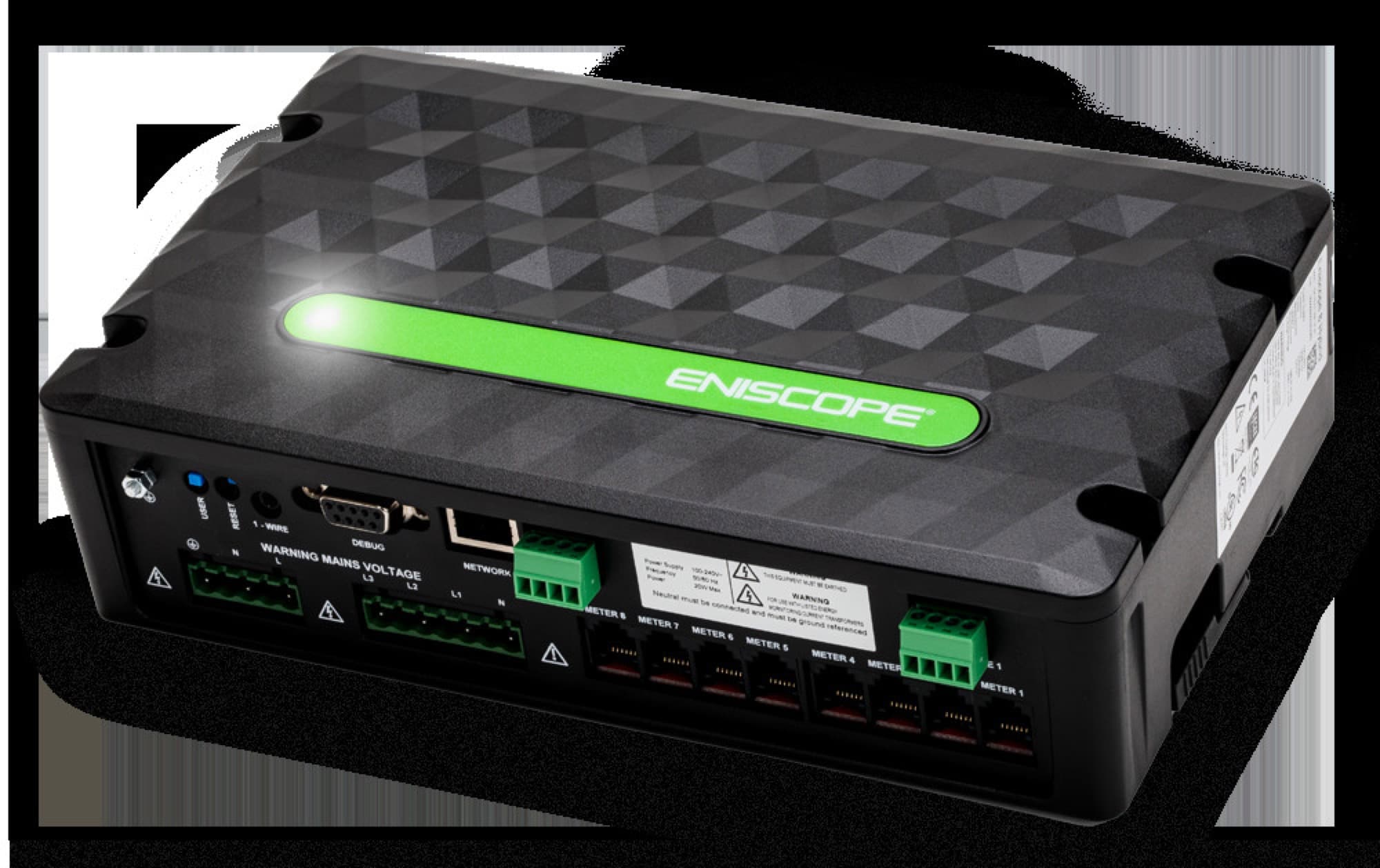
The meter at the heart of it. It sits in your distribution board and reads the circuits you care about, minute by minute.

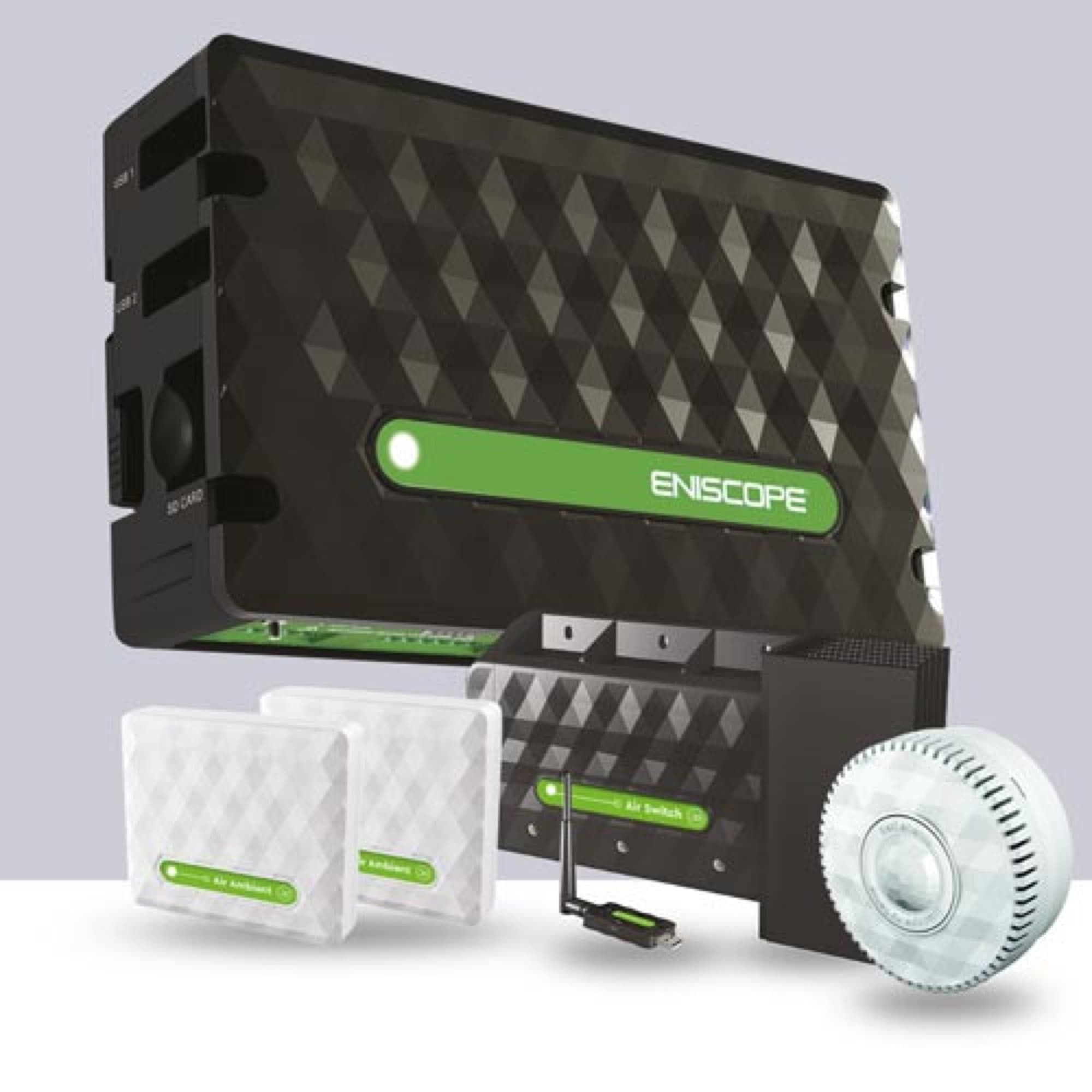
Sensors that tell you whether the energy was needed at all: temperature, humidity, occupancy, light, and CO2 and air quality.
About Eniscope AirWhat the building draws when it is shut. Almost nobody guesses it right, and it is the cheapest saving in the building because fixing it costs nothing.
A failing door seal or a dirty condenser shows up in the draw weeks before it shows up in the temperature. Set a threshold and it raises a flag.
Plant coming on hours before anyone arrives, because the timeclock was set for opening hours the business no longer keeps.
Two similar buildings should use similar energy. When one does not, that gap is a list of actions. Without per-site data it hides in the average.
We install the Eniscope range from Best.Energy. VisionGreen is a Best.Energy Global Partner and the authorised distributor for Ireland. One Eniscope 8 Hybrid unit sits in or beside the distribution board and meters up to eight three-phase circuits at once, with current transformers clamped around the existing cables. No circuit is broken and the building stays open.
Each circuit is read every minute. That is the difference between a utility meter that tells you what the building used last month and a system that shows the kitchen extract starting at 5am this morning. Gas and water meters can be brought in on the pulse inputs, so the whole site reports into one place.
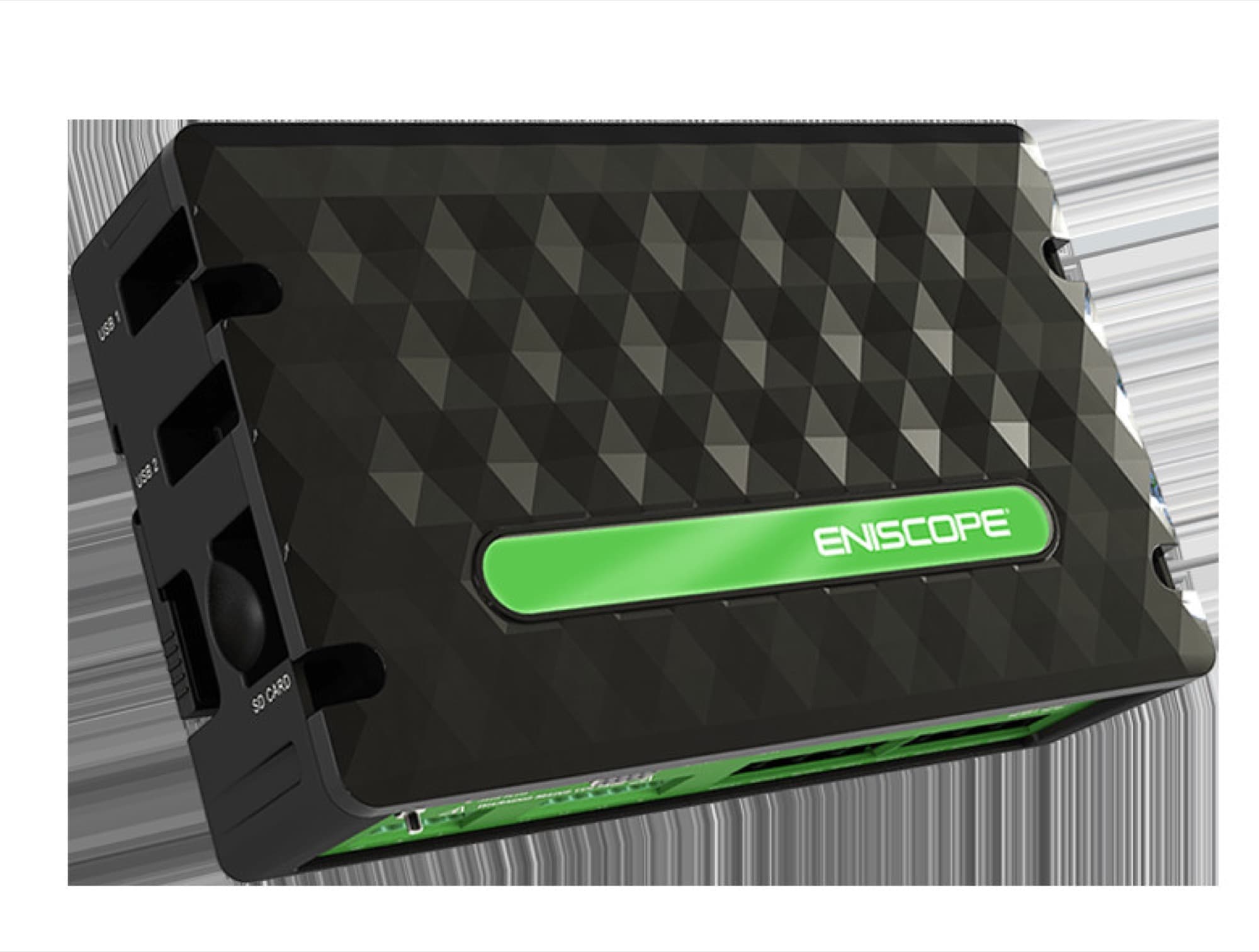
| Metering points | Up to 8 three-phase circuits per unit, each with its own current transformers |
|---|---|
| Other inputs | Up to 8 pulse inputs for gas, water or existing kWh meters; one temperature input |
| Data resolution | One-minute readings on every circuit, stored and sent to the cloud platform |
| Accuracy | Better than 1% on voltage, with the current transformers matched to each circuit's load |
| Connection | Wired network (RJ45) to the cloud; Modbus for linking to a BMS or other meters |
| Local storage | SD card, so data is held if the connection drops and sent when it returns |
| Mounting | Mini DIN rail or screw mounting inside an enclosure, with its own isolator |
| Installation | A few hours per board by an electrician; no shutdown, no circuit broken |
| Add-ons | Eniscope Air sensors for temperature, humidity, occupancy and air quality; CUES for refrigeration |
A unit covers eight circuits, so the first job is choosing which eight matter. These are the circuits we usually put on first.
Four things get called energy monitoring. They answer different questions, and most buildings end up with more than one.
| Utility smart meter | Sub-meters (kWh meters) | Building management system | Circuit-level monitoring (Eniscope) | |
|---|---|---|---|---|
| What it measures | The whole building at the incomer | A circuit or area, as a running kWh total | What the plant it controls is doing: setpoints, status, sometimes power | Every clamped circuit: kW, kWh, voltage, current, power factor |
| Resolution | Half-hourly, available a day later | Whatever you read it at; monthly if nobody reads it | Live for the plant on the BMS, nothing for the rest | Every minute, live, on every circuit |
| Covers | Everything, as one number | What you wired a meter to | Heating, cooling, ventilation; rarely kitchens, refrigeration or lighting | Any circuit in the board: kitchen, refrigeration, lighting, plant |
| Who reads it | Your supplier, for billing | Whoever walks round with a clipboard | The facilities team, when there is an alarm | Our energy manager every month, plus alarms to your team |
| Finds | That the bill went up | Which area used more, after the fact | That plant is on or off | Which circuit, when, and what changed |
| Cost | Free with your connection | Low per meter, plus wiring and reading time | Tens of thousands for a new system; €2,000 SEAI grant to optimise an existing one | Hardware per unit, install, and a monthly subscription; grant support towards hardware |
| Best for | Spotting a trend | Tenant recharging | Controlling plant | Finding and proving savings, and keeping the BMS honest |
If you already have a BMS, monitoring is usually the cheaper next step: it shows what the BMS should be changed to. Our BMS optimisation checklist covers that side.
Three parts: the hardware, bought outright or leased; the installation, a few hours per board by an electrician; and a monthly subscription for the software and for our energy manager reading your data. Grant support is available towards the hardware, and we will tell you which schemes apply before you commit to anything.
We agree a savings guarantee with each client. It differs by building, because pretending otherwise would be dishonest. Monitoring is a real cost; the answer is the payback period, typically 1 to 3 years, and we will work it out for your site before you decide.
Measured result, one client site
One client site, first six months of continuous monitoring.
Every site, every monitored circuit, in one place in your browser. Compare sites, spot the one that is off, and export the numbers for your own reporting. Energy usage monitoring for one building or fifty, with the same dashboard.
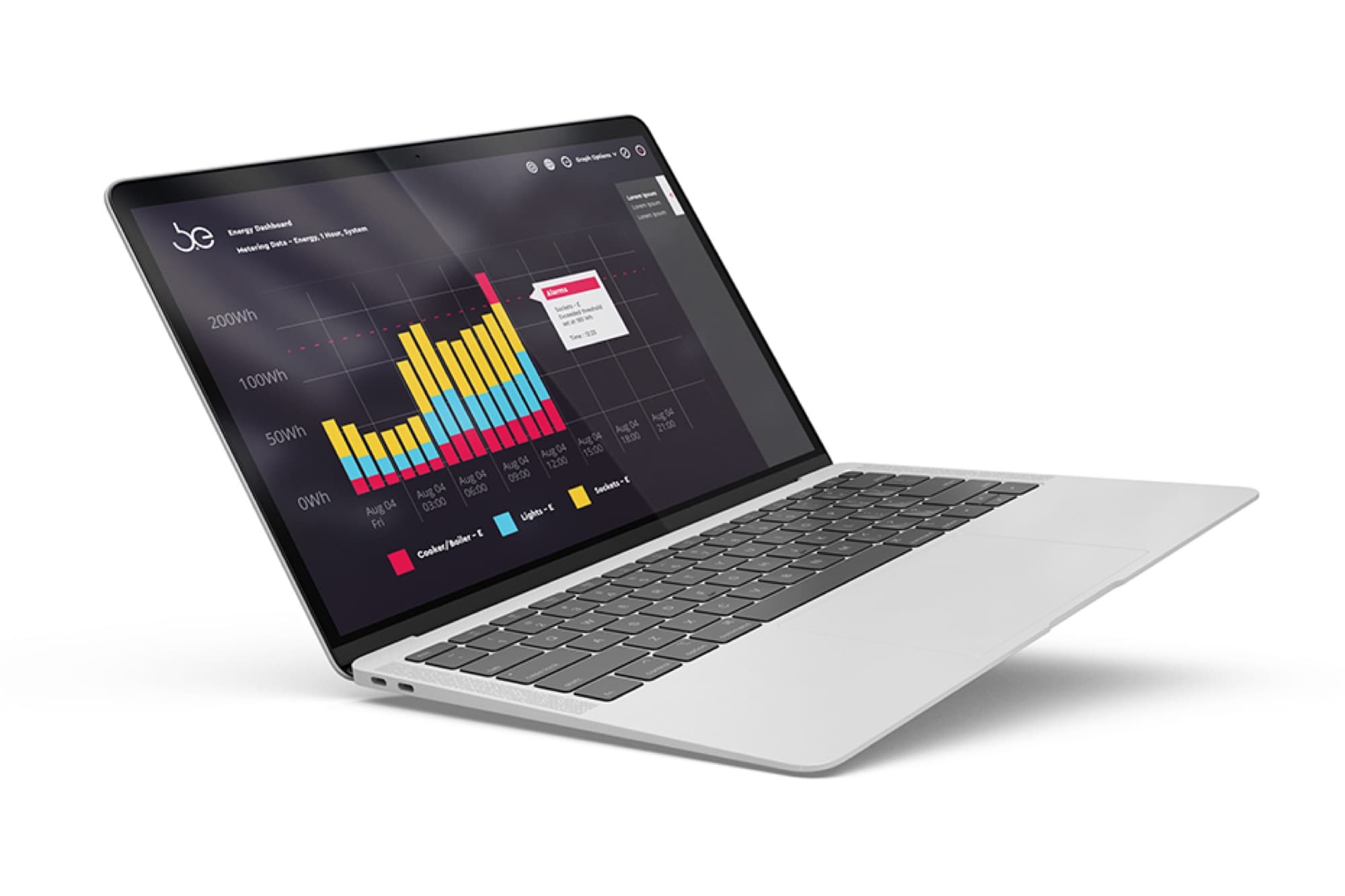
 HardwareEniscope meters on the circuits that matter, reading every minute. Installed in a few hours, no shutdown.SoftwareA cloud dashboard showing use by asset, site and hour, with alerts when something changes.
 Our teamEnergy management from people who read the data every month and tell you what to do about it.
VisionGreen supplies, installs and manages commercial energy monitoring systems for businesses across Ireland, from offices in Carlow and Naas. We work with hotels, restaurant and pub groups, food manufacturers, multi-site retailers and large energy users. We are an authorised Best.Energy Global Partner and install the Eniscope range.
Yes. We fit circuit-level sub-metering in the distribution boards, so a hotel can see its kitchen, laundry, plant room, leisure centre and bedroom floors separately instead of one number for the whole building. Installation takes a few hours per board and the hotel stays open.
Yes. Readings come in every minute, so a restaurant can see when the kitchen, refrigeration and extraction come on and off, and get an alert when something runs overnight that should not. The same system works across a group of restaurants or pubs.
Look for four things: circuit-level readings rather than one meter per building, the same dashboard across every hotel so sites can be compared, alarms on the circuits that matter, and someone who actually reads the data each week. That last part is our energy management service. The hardware we install is Eniscope.
VisionGreen supplies, installs and runs energy monitoring hardware for multi-site businesses across Ireland, including hotel groups, restaurant groups and retail and food chains. Each site gets its own meters and every site reports into one energy monitoring software platform, so you can compare buildings side by side and find the one that is using more than it should. Most multi-site clients start with the site they suspect most, then roll out.
VisionGreen installs energy monitoring for Irish businesses and checks the grant support for you as part of the job. Grant support is available towards the monitoring hardware. Which scheme applies depends on the business and the wider project, so we check what you qualify for before you commit to anything.
It depends on the building, which is why we agree a savings guarantee with each client rather than quoting a headline percentage. As one measured example, a single client site saved 10,518 kWh in its first six months of continuous monitoring. The cheapest wins are usually overnight and weekend use that nobody knew about, which cost nothing to fix.
The cost depends on how many circuits and sites you want to measure. The price has three parts: the Eniscope hardware (bought outright or leased, one unit covers up to 8 three-phase circuits), the installation by an electrician, and a monthly software subscription that includes our energy manager reading the data. Grant support is available towards the hardware. A single distribution board is the smallest job; a whole hotel usually needs several units; a group rolls out site by site. We price it after a short look at your boards and work out the payback, typically 1 to 3 years, before you decide.
Typical payback across our clients is 1 to 3 years. Hotels tend to sit at the faster end when kitchens, laundry and leisure facilities run longer than they need to, because those savings start as soon as the data shows them.
If you qualify for the SEAI energy audit voucher, the audit is a low-cost first step: it gives you a ranked list of savings at a point in time. Monitoring then shows what the building uses every hour and proves whether the savings happened. Businesses with several sites or a large bill often start monitoring the site they suspect most and run the audit alongside.
A building management system (BMS) controls heating, cooling and ventilation. Energy monitoring measures what every circuit actually uses, including the plant the BMS runs. They work together: monitoring shows when BMS schedules and setpoints are wrong, so the BMS can be reset. Our guide to building management systems covers this in more detail.
A full-time energy manager makes sense for the largest estates. For most hotel groups, an outsourced service is better value: our virtual energy manager service watches the monitoring data for every hotel, flags problems and helps your teams act on them, for a monthly fee instead of a salary.
Yes. VisionGreen is based at Tullow Street, Carlow, with a second office at Devoy Quarter, Naas, Co. Kildare. We install energy monitoring for businesses in Carlow, Kildare and the south east, and across the rest of Ireland.
A smart meter measures the whole building at the incomer, usually in half-hour intervals. Smart energy monitoring at circuit level reads individual circuits every minute, so you can see which asset is responsible rather than only what the building total was.
A typical installation takes a few hours. The meters clamp onto existing circuits in the distribution board and the building does not need to shut down.
It goes to a cloud platform you log into, broken down by asset, site and period, with export for your own reporting. Alarm thresholds can be set on any measured circuit.
Most clients start with the building they suspect. Once the data exists, the argument about the rest of the estate gets much shorter.